
The Psychology of Strategic Gambling Decisions
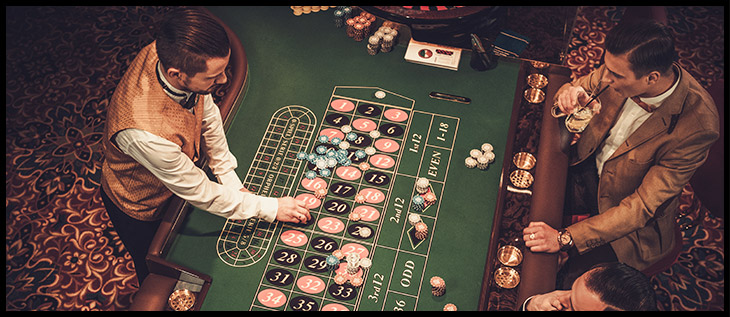
Navigating the complex world of gambling requires more than just luck; it demands a deep understanding of probability, risk management, and psychological resilience. Players who aim to conquer the authentic trailblazing casino core must first master their own mindset, recognizing that emotional control is often the deciding factor between success and failure in high-stakes environments. This mental fortitude allows individuals to stick to their strategies even when variance runs against them, ensuring that long-term goals are not compromised by short-term losses.
Furthermore, the concept of bankroll management serves as the foundation for any serious gambler’s approach. By setting strict limits on spending and viewing gambling as a form of entertainment rather than a source of income, players can maintain a healthier relationship with the activity. This disciplined perspective helps in avoiding the pitfalls of chasing losses, which is a common behavior that leads to significant financial detriment and addictive patterns among unprepared individuals.
Analyzing Game Mechanics and House Edges
To truly hone your game, one must delve into the mathematical underpinnings of various casino offerings. Different games present vastly different house edges, meaning that some table games offer better odds for the player than others. Understanding these mechanics enables strategic players to choose games where skill can influence outcomes, such as blackjack or poker, rather than relying solely on chance-based slot machines. This analytical approach transforms gambling from a passive activity into an engaging intellectual challenge.
Additionally, familiarizing oneself with specific rules and payout structures is crucial for maximizing potential returns. Many casual players overlook subtle rule variations that can significantly impact the expected value of a bet. For instance, knowing when to surrender in blackjack or how side bets affect overall profitability can provide a marginal but important advantage over time. Educating oneself on these details is essential for anyone looking to elevate their gameplay from recreational to competitive.
The Role of Technology in Modern Gaming
In recent years, technology has revolutionized the way people interact with casino environments, both online and offline. From advanced random number generators ensuring fair play in digital settings to sophisticated surveillance systems protecting physical venues, tech plays a pivotal role in maintaining integrity and enhancing user experience. Gamers today have access to real-time data analytics, training simulations, and community forums that help them refine their skills and stay informed about industry trends.
Moreover, the integration of mobile platforms has made gaming more accessible than ever before, allowing enthusiasts to practice and engage with games anytime and anywhere. However, this convenience also brings challenges regarding responsible gaming practices. It is imperative for players to utilize built-in tools provided by operators, such as deposit limits and self-exclusion options, to ensure that their engagement remains safe and controlled amidst the ease of access.
Building a Sustainable Long-Term Strategy
Sustainability in gambling is achieved through consistent application of proven strategies and continuous learning. Successful players do not rely on fleeting streaks of luck but instead focus on making statistically sound decisions over thousands of hands or spins. This long-term view requires patience and discipline, as well as the willingness to accept that even perfect play does not guarantee immediate profits due to inherent volatility.
Another key aspect of sustainability is networking and sharing knowledge within the gaming community. Engaging with other serious players can provide valuable insights, new perspectives, and support systems that help individuals stay motivated and accountable. Whether through online discussions or local meetups, connecting with like-minded individuals fosters a culture of improvement and mutual respect, elevating the entire ecosystem of strategic gaming.
Professional Education and Skill Development Resources
For those seeking to deepen their expertise beyond theoretical knowledge, structured education programs offer invaluable guidance. Institutions specializing in culinary arts, such as those found at https://thecakemanuk.com/, demonstrate how meticulous attention to detail and professional training can transform raw talent into polished mastery. Similarly, in the realm of gambling, accessing high-quality educational content can bridge the gap between amateur enthusiasm and professional proficiency.
Just as a baker learns the precise chemistry of ingredients to create perfect desserts, a gambler must understand the intricate dynamics of card counts and betting algorithms. The principles of rigorous practice, feedback loops, and iterative improvement are universal across disciplines. By treating skill acquisition with the same seriousness as a specialized craft, individuals can develop robust techniques that stand the test of time and changing market conditions.