
People often use it when alcohol or other drug use is ongoing and the person is physiological dependence not in stable recovery. In plain terms, it may look like repeated use that feels hard to control, keeps happening despite harm, or returns soon after trying to stop. In health care settings, professionals usually talk about substance use disorder (SUD).
The Recovery Village Kansas City
This behavior is often influenced by social factors, such as peer pressure, social gatherings, and the desire to fit in or conform to societal expectations. For individuals trying to moderate or quit drinking, this ubiquitous availability creates constant challenges. Developing strategies to manage exposure, whether avoiding certain stores, taking different routes home, or declining invitations to bars, becomes part of successful recovery for many people. Someone who started with a glass of wine at dinner might find themselves drinking half a bottle to achieve the same relaxation.
Science Updates About Substance Use
During the scans, participants completed tasks that were meant to make them feel disappointed or frustrated by not receiving rewards. This allowed researchers to see how the brain Sobriety reacted to negative feelings. Explore statistics on alcohol-related deaths and emergency visits in the United States.
A human brain-centered approach
This substance is present in nearly every culture throughout history, and attempts at prohibition rarely work outside of highly religious societies. After detoxification, many people with alcohol disorders need some form of long-term support or counseling to remain sober. Recovery programs focus on teaching a person with alcoholism about the disease, its risks, and ways to cope with life’s usual stresses without turning to alcohol. Psychotherapy may help a person understand the influences that trigger drinking. Many patients benefit from self-help groups such as Alcoholics Anonymous (AA), Rational Recovery or SMART (Self Management and Recovery Training). In an alcohol use disorder (AUD, commonly called alcoholism), excessive alcohol use causes symptoms affecting the body, thoughts and behavior.
vivitrol work?
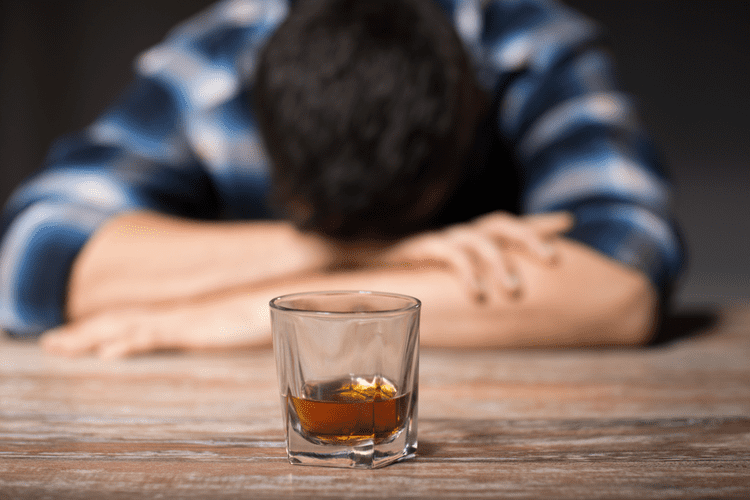
Alcohol addiction and alcoholism often run in families, indicating a strong familial pattern and inherited risk. Individuals with a family history of alcohol addiction are more likely to develop alcohol-related problems themselves. Studies have shown that having a first-degree relative (parent, sibling) with alcohol addiction significantly increases the risk of developing alcohol addiction. In fact, there are dozens of risk factors that play a role in the development of an alcohol addiction. These risk factors interact differently in every individual, leading to alcohol use disorders (AUDs) in some and not in others.
Family History
Recovery is possible, and many people improve with consistent support. Alcohol use disorder (AUD) is defined by a pattern of impaired control and continued drinking despite harm. Common signs of alcoholism and AUD include repeated failed attempts to cut back, spending a lot of time drinking or recovering, and relationship, work, or school problems linked to alcohol. Some people also develop tolerance or withdrawal, which can signal physical dependence.
Physical addiction appears to occur when repeated use of a drug changes the way your brain feels pleasure. The addicting drug causes physical changes to some nerve cells (neurons) in your brain. https://ykpaly.com.mx/2022/11/10/stages-of-addiction-what-are-they/ Use of hallucinogens can produce different signs and symptoms, depending on the drug. The most common hallucinogens are lysergic acid diethylamide (LSD) and phencyclidine (PCP). People use cannabis by smoking, eating or inhaling a vaporized form of the drug. Cannabis often precedes or is used along with other substances, such as alcohol or illegal drugs, and is often the first drug tried.
Alcohol use disorder (AUD) is a medical condition characterized by an impaired ability to stop or control alcohol use despite adverse social, occupational, or health consequences. It encompasses the conditions that some people refer to as alcohol abuse, alcohol dependence, alcohol addiction, and the colloquial term, alcoholism. Lasting changes in the brain caused by alcohol misuse perpetuate AUD and make individuals vulnerable to relapse. We publish material that is researched, cited, edited and reviewed by licensed medical professionals. The information we provide is not intended to be a substitute for professional medical advice, diagnosis or treatment. It should not be used in place of the advice of your physician or other qualified healthcare provider.
- A relapse is returning to a substance after stopping it for a period of time.
- It is also true that no single factor, nor group of factors, will determine whether or not someone becomes an alcoholic.
- A heavy drinking binge may even cause a life-threatening coma or death.
Their encouragement could be the motivation you need to talk to a healthcare provider. You can’t prevent all cases of substance use disorder because there are a lot of factors (many of which are outside of your control) that could play a role in how the condition develops. Social media platforms have become breeding grounds for misinformation, and the narrative surrounding the death of Donald Trump’s brother, Fred Trump Jr., is a stark example. A quick search reveals a deluge of posts claiming that Fred’s passing was directly linked to alcoholism, often framed as a cautionary tale about the Trump family’s alleged disregard for personal responsibility. This discrepancy highlights how social media users often prioritize sensationalism over accuracy, perpetuating myths that resonate emotionally rather than factually. Fred Trump Jr., the older brother of former President Donald Trump, passed away in 1981 at the age of 43.

Understanding Alcohol Use Disorder
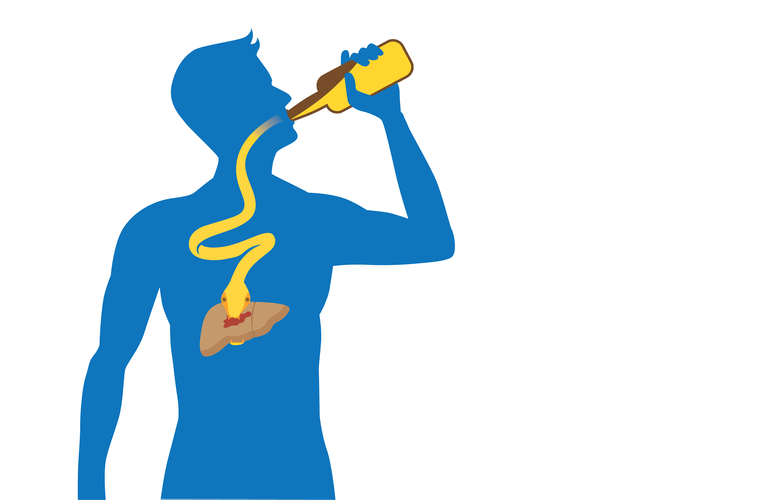
A person with depression may experience both mood symptoms and negative self-perception. Seeking help for alcoholism is a brave and crucial step towards a healthier, more fulfilling life. Our dedicated team offers compassionate support, ensuring you have the guidance and resources needed to navigate your journey to sobriety and wellness.
- The physical effects of alcohol kick in within seconds of starting one drink, but they also grow exponentially as a person continues to use alcohol over time.
- People with ADHD may be more likely to drink heavily or start drinking earlier.
- SUD can range from mild to severe, and “addiction” is often used to describe the most severe end of that range.
- Knowing the causes and risk factors of alcoholism can help you determine whether you or someone you care about needs professional intervention.
To be effective, VIVITROL must be used with other alcohol or drug recovery programs such as counseling. Sometimes this leads to suicide, or suicidal thoughts, and suicidal behavior. Tell your family members and people closest to you that you are taking VIVITROL. Vivitrol2gether can help you get started on VIVITROL and offers personalized support every step of the way. Watch personal stories from others in recovery and their experiences with VIVITROL. During the intervention, these people gather together to have a direct, heart-to-heart conversation with the person about the consequences of addiction.