Category: Public

Casino Meeting Rooms


Casino meeting rooms provide enclosed spaces for business discussions, presentations, and organized gatherings. They are often part of a hotel or conference section, allowing participants to use accommodation and dining services within the same property.

Room layouts vary with the purpose of a meeting. Rows of chairs suit a presentation, while grouped tables support discussion. Displays, microphones, power outlets, and connections for presentation equipment need to match the intended arrangement.

Within a larger property, this subject connects to services that visitors may not immediately notice. Staff schedules, delivery routes, storage areas, and cleaning routines all influence how a public space operates. Coordination between these activities helps the visible part of the venue remain consistent during both quiet hours and periods of heavier use.

The size of a property influences how responsibilities are divided. A smaller venue may use a compact team across several functions, while a larger complex can support specialized departments. In either case, visitors encounter the combined result, so communication between the people delivering different services remains an important practical concern.

The wider setting also matters. A property beside a busy street faces different arrival patterns from one reached mainly by private transport. Nearby hotels, event spaces, and public routes can influence the flow of visitors, making the relationship between the venue and its surroundings part of everyday operational planning.

A meeting room works best when practical details support the event without becoming a distraction for its participants. Its role becomes clearer when viewed alongside the rest of the building, including the routes, services, and staff activities that connect the individual area with the wider experience of visiting an entertainment property.

Casino Floor Layouts


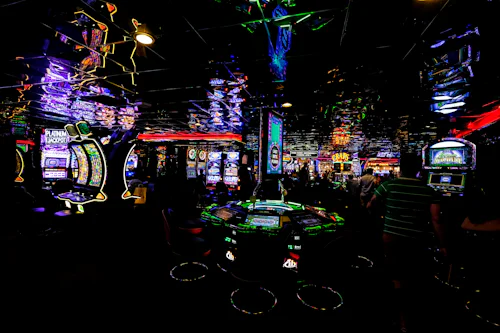
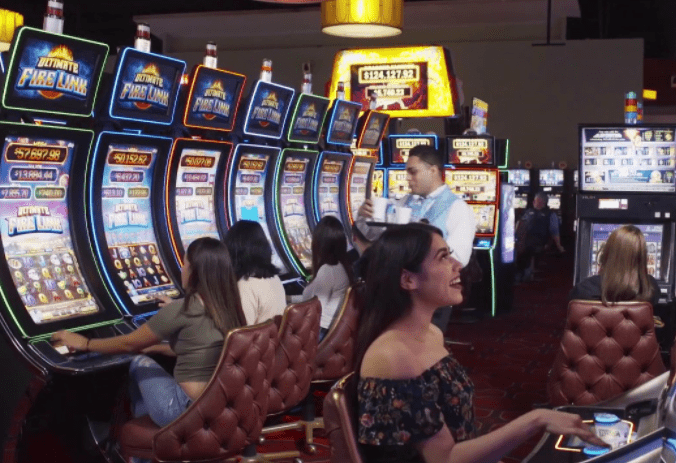
Casino floor layouts organize gaming equipment and the routes between it. The arrangement must also accommodate staff movement, maintenance access, seating, and connections to other public facilities within the building or wider entertainment complex.

Different activities need different amounts of space. A table with standing spectators has a different circulation pattern from a row of seated machine users. Changes to one section can therefore affect movement in several nearby areas.

Changes within one department can affect several others. Moving an entrance, altering an event schedule, or temporarily closing a service point may change visitor routes and staff workloads elsewhere. Communicating these changes in advance makes it easier for different teams to provide consistent information and adjust their own preparations.

Operational records support continuity between shifts and departments. A clear description of a task or an unresolved issue allows the next person to continue the work without reconstructing the entire situation. The value of such records depends on relevant details, consistent terminology, and a clear indication of who is responsible for follow-up.

The most informative assessment considers the entire journey through the property. A comfortable room can still be difficult to use if it is poorly signposted, and a clear entrance can lead to confusing internal routes. Looking at these connections gives a fuller picture than judging individual features entirely in isolation.

A floor plan is a practical system whose performance depends on how the whole space is used over time. Considering the visitor journey together with the work performed behind the scenes gives a more complete understanding of the subject than an assessment based entirely on appearance or on a single moment of use.

Casino Outdoor Spaces


Casino outdoor spaces extend a property beyond its enclosed rooms. Gardens, terraces, covered walkways, courtyards, and seating areas can offer different settings for visitors and connect separate buildings within a larger resort.

Their design responds to sunlight, rain, wind, and seasonal changes. Landscaping and outdoor furniture require maintenance routines that differ from those used indoors, while paths must remain easy to follow when visitor numbers increase.

The experience of a space can change with the time of day and the number of people present. An arrangement that feels spacious during a quiet afternoon may need more active management before an evening event. Observing ordinary patterns of use provides useful information about where additional signs, assistance, or room may be needed.

Routine observation is an important part of managing this environment. Staff can note recurring questions, worn surfaces, difficult routes, or delays that are not obvious from a drawing. These observations provide a practical starting point for small improvements and help distinguish a temporary inconvenience from an issue that appears repeatedly.

The most informative assessment considers the entire journey through the property. A comfortable room can still be difficult to use if it is poorly signposted, and a clear entrance can lead to confusing internal routes. Looking at these connections gives a fuller picture than judging individual features entirely in isolation.

An outdoor area becomes part of the overall experience when its appearance and practical operation receive consistent attention. Looking at the subject in this broader context helps explain why apparently small decisions can matter to several departments and why practical arrangements deserve attention alongside the more visible features of a venue.

Casino Energy Management


Casino energy management concerns the operation of lighting, heating, cooling, and other systems that consume energy. A large property can contain rooms with very different occupancy patterns, making its overall demand change throughout the day.

Monitoring helps facilities teams understand when and where equipment is being used. Adjustments can then be considered alongside comfort and operational needs, rather than treating every room as if it followed the same schedule.

The relationship between appearance and function is especially important in a frequently used venue. Decorative choices contribute to character, but the same materials and objects must also withstand cleaning, movement, and repeated handling. A design can remain attractive for longer when maintenance requirements are considered before the space begins operating.

The size of a property influences how responsibilities are divided. A smaller venue may use a compact team across several functions, while a larger complex can support specialized departments. In either case, visitors encounter the combined result, so communication between the people delivering different services remains an important practical concern.

There is no single arrangement that suits every destination. The age of the building, available floor area, surrounding transport, and mix of facilities all influence the choices available. A city property and a spacious resort may address similar needs through different layouts, even when they offer broadly comparable services to their visitors.

The subject connects routine building operation with longer-term decisions about equipment, maintenance, and the way spaces are occupied. Over time, changes in visitor patterns and service arrangements may call for adjustments, making regular observation a useful complement to the original design and to the procedures established when a facility first opens.

Casino Acoustics


Casino acoustics concerns the way sound travels through an entertainment property. Music, conversation, machines, announcements, and live performances may overlap, making the shape and surface treatment of rooms important parts of the visitor experience.

Soft furnishings and sound-absorbing finishes can change how strongly noise is reflected. The position of loudspeakers and the separation between active and quiet rooms also influence whether visitors can hold a conversation or understand spoken information.

The experience of a space can change with the time of day and the number of people present. An arrangement that feels spacious during a quiet afternoon may need more active management before an evening event. Observing ordinary patterns of use provides useful information about where additional signs, assistance, or room may be needed.

Periodic review allows a property to compare its intended arrangements with actual daily use. Useful questions concern access, comfort, waiting, maintenance, and the clarity of information. These observations do not require every space to look the same; they help each area perform its particular role within the larger venue.

Temporary conditions can reveal details that are less noticeable during routine operation. A busy performance, a maintenance closure, or a change in weather may alter how people use the building. Reviewing these situations helps teams prepare practical alternatives and keep their explanations consistent when the normal arrangement is unavailable.

Acoustic planning connects architecture with daily operation, particularly where different activities take place beside one another. Looking at the subject in this broader context helps explain why apparently small decisions can matter to several departments and why practical arrangements deserve attention alongside the more visible features of a venue.

Casino Event Planning


Casino event planning coordinates gatherings within properties that already support several ongoing activities. An event might occupy a meeting room, a ballroom, a restaurant, or an outdoor area, depending on its size and practical requirements.

Planners establish a schedule for preparation, guest arrival, catering, presentations, and removal of equipment. They also account for the normal operation of nearby facilities so that a temporary event does not obstruct unrelated visitor services.

Changes within one department can affect several others. Moving an entrance, altering an event schedule, or temporarily closing a service point may change visitor routes and staff workloads elsewhere. Communicating these changes in advance makes it easier for different teams to provide consistent information and adjust their own preparations.

Routine observation is an important part of managing this environment. Staff can note recurring questions, worn surfaces, difficult routes, or delays that are not obvious from a drawing. These observations provide a practical starting point for small improvements and help distinguish a temporary inconvenience from an issue that appears repeatedly.

Temporary conditions can reveal details that are less noticeable during routine operation. A busy performance, a maintenance closure, or a change in weather may alter how people use the building. Reviewing these situations helps teams prepare practical alternatives and keep their explanations consistent when the normal arrangement is unavailable.

The planning process translates a proposed experience into a sequence of tasks that different departments can carry out together. Considering the visitor journey together with the work performed behind the scenes gives a more complete understanding of the subject than an assessment based entirely on appearance or on a single moment of use.

Casino Energy Management


Casino energy management concerns the operation of lighting, heating, cooling, and other systems that consume energy. A large property can contain rooms with very different occupancy patterns, making its overall demand change throughout the day.

Monitoring helps facilities teams understand when and where equipment is being used. Adjustments can then be considered alongside comfort and operational needs, rather than treating every room as if it followed the same schedule.

The relationship between appearance and function is especially important in a frequently used venue. Decorative choices contribute to character, but the same materials and objects must also withstand cleaning, movement, and repeated handling. A design can remain attractive for longer when maintenance requirements are considered before the space begins operating.

The size of a property influences how responsibilities are divided. A smaller venue may use a compact team across several functions, while a larger complex can support specialized departments. In either case, visitors encounter the combined result, so communication between the people delivering different services remains an important practical concern.

There is no single arrangement that suits every destination. The age of the building, available floor area, surrounding transport, and mix of facilities all influence the choices available. A city property and a spacious resort may address similar needs through different layouts, even when they offer broadly comparable services to their visitors.

The subject connects routine building operation with longer-term decisions about equipment, maintenance, and the way spaces are occupied. Over time, changes in visitor patterns and service arrangements may call for adjustments, making regular observation a useful complement to the original design and to the procedures established when a facility first opens.

Casino Visitor Information


Casino visitor information explains how a property operates and what services are available. It can appear on printed maps, websites, signs, information screens, and through direct conversations with staff at reception or other service points.

Useful information answers practical questions about locations, opening hours, event access, and available assistance. Keeping different channels consistent is particularly important when a restaurant closes temporarily or an event moves to another room.

Within a larger property, this subject connects to services that visitors may not immediately notice. Staff schedules, delivery routes, storage areas, and cleaning routines all influence how a public space operates. Coordination between these activities helps the visible part of the venue remain consistent during both quiet hours and periods of heavier use.

Routine observation is an important part of managing this environment. Staff can note recurring questions, worn surfaces, difficult routes, or delays that are not obvious from a drawing. These observations provide a practical starting point for small improvements and help distinguish a temporary inconvenience from an issue that appears repeatedly.

Consistency does not mean that every area must have an identical character. A property can contain quiet rooms, active public spaces, and formal service settings while using the same underlying approach to directions and communication. This combination allows variety without requiring visitors to learn a completely new system at every doorway.

Visitors benefit when information is current, easy to understand, and available near the place where a question is likely to arise. Its role becomes clearer when viewed alongside the rest of the building, including the routes, services, and staff activities that connect the individual area with the wider experience of visiting an entertainment property.

Casino Art Collections


Casino art collections introduce paintings, sculpture, installations, and decorative objects into hospitality spaces. Works may appear in entrances, corridors, restaurants, or dedicated display areas, contributing to the visual character of the property.

Placement involves more than choosing an empty wall. Lighting, viewing distance, cleaning access, and the surrounding flow of visitors all affect how an object is experienced and how easily it can be cared for.

The relationship between appearance and function is especially important in a frequently used venue. Decorative choices contribute to character, but the same materials and objects must also withstand cleaning, movement, and repeated handling. A design can remain attractive for longer when maintenance requirements are considered before the space begins operating.

Operational records support continuity between shifts and departments. A clear description of a task or an unresolved issue allows the next person to continue the work without reconstructing the entire situation. The value of such records depends on relevant details, consistent terminology, and a clear indication of who is responsible for follow-up.

There is no single arrangement that suits every destination. The age of the building, available floor area, surrounding transport, and mix of facilities all influence the choices available. A city property and a spacious resort may address similar needs through different layouts, even when they offer broadly comparable services to their visitors.

An art collection becomes part of the setting when presentation and upkeep are considered alongside the selection of individual works. Over time, changes in visitor patterns and service arrangements may call for adjustments, making regular observation a useful complement to the original design and to the procedures established when a facility first opens.

Casino Restaurants


Casino restaurants provide dining services within a wider entertainment setting. They can range from small counters offering simple meals to formal dining rooms with reservations, dedicated kitchens, and a service style that is separate from the gaming floor.

Menus, seating arrangements, and opening hours reflect the intended audience of each restaurant. A venue serving theatre guests may experience a concentrated rush before a performance, while a hotel restaurant may receive customers throughout the day.

Changes within one department can affect several others. Moving an entrance, altering an event schedule, or temporarily closing a service point may change visitor routes and staff workloads elsewhere. Communicating these changes in advance makes it easier for different teams to provide consistent information and adjust their own preparations.

Periodic review allows a property to compare its intended arrangements with actual daily use. Useful questions concern access, comfort, waiting, maintenance, and the clarity of information. These observations do not require every space to look the same; they help each area perform its particular role within the larger venue.

Temporary conditions can reveal details that are less noticeable during routine operation. A busy performance, a maintenance closure, or a change in weather may alter how people use the building. Reviewing these situations helps teams prepare practical alternatives and keep their explanations consistent when the normal arrangement is unavailable.

Dining becomes a distinct part of the visitor experience when its atmosphere and service remain consistent during busy periods. Considering the visitor journey together with the work performed behind the scenes gives a more complete understanding of the subject than an assessment based entirely on appearance or on a single moment of use.